If buying is not owning, then piracy is not stealing.
It came to my attention as I left high school that I did not really own anything. I had no pysical media besides my dvds, some small flash drives with small files, and a computer that was choking on its own motherboard just to open chrome. I did not own any movies on the subscription services that I used because they would switch out or remove movies depending on the time of year. If I wanted to watch a christmas movie in June, to bad. If I wanted to watch a show that I had not seen in a long time I would have to buy a different company to use their platform. If I wanted to watch the games or tv I would have to pay cable or dish networks to use their equipment. This felt rediculous and a waste of money. I would be losing hundreds of dollars a year just to not really own anything or actually enjoy media when I wanted with who I wanted. It is even crazier now with companies like Sony and Nintendo not selling actuall physical copies of games anymore. All they are doing with physical copies are selling a digital key license to the game which, you guessed it, they can take away at any point if they think you dont deserve the media. Something you paid close to or over $100 for is unusable because a company just decided to one day.
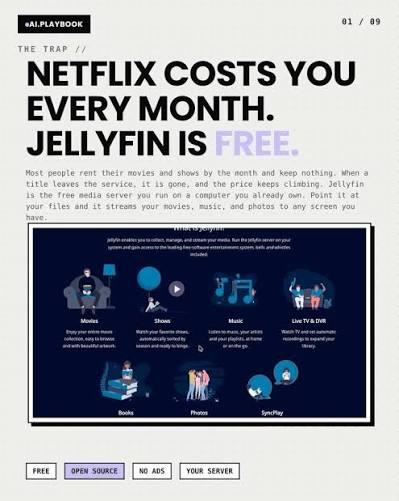
So this is when I decided to start digitally storing and organizing my media. I could watch what I want, when and where I choose. I started the way most people do, by having loose hard drives and thumb drives everywhere and remembering what was on what drive. Even when it came to pictures and memories, writing on the drives or labeling them to remember what held what was a pain. Then also came the issue when I would run out of space on those drives and I would have to buy new ones which would eventually get full with memories and linux isos. So I switch to a NAS solution. This way all of my files no matter what kind could be accessed from one place and easily. I could watch the movies I bought and also record memories from past trips. I also could use the NAS for linux isos and virtual machines. I could even use it to run a media server like Jellyfin or Plex. This way I could stream my media to any device I wanted without having to worry about storage space or losing access to my media. I could also use the NAS to run a few virtual machines for testing and learning purposes.
Another issue arose. Easily watching my media. While I found it fine with what I had to open vlc to play a movie or show, I wanted to be able to watch it on my tv or phone. that is where Jellyfin came into play. Jellyfin looks at the folder paths and library your media is in and neatly sets it up to be scrollable like Netflix or Disney+. That way I dont have to be scrolling through folders on my computer, I could be relaxing and searching to find something to watch as I relax. Especially as you get older and your library gets bigger, the easier it is to sort through the better.
I have loaded up 4 18TB hard drives into my NAS with 2 10 TB hard drives in a seperate enclosure for backup. Lastly I have 6 5TB portable drives with even more backup incase something were to happen to the other ones. This is to follow the 3-2-1 ideal of backing up information. It is maintaining 3 copies of your data, on 2 different types of media, with 1 copy offsite. This way if something were to happen to my NAS or the hard drives, I would still have access to my media and memories.
In Conclusion - What I Learned
The importance of having this digital way of securing my media and memories as well as a safe place to continue to learn and grow is important. In these days that everything costs money, things are just rented instead of bought, and you dont realy own anything unless you physically touch it is crazy but it is the world we live in. If you take anything from this project, it should be that you should be owning your property, not renting it.
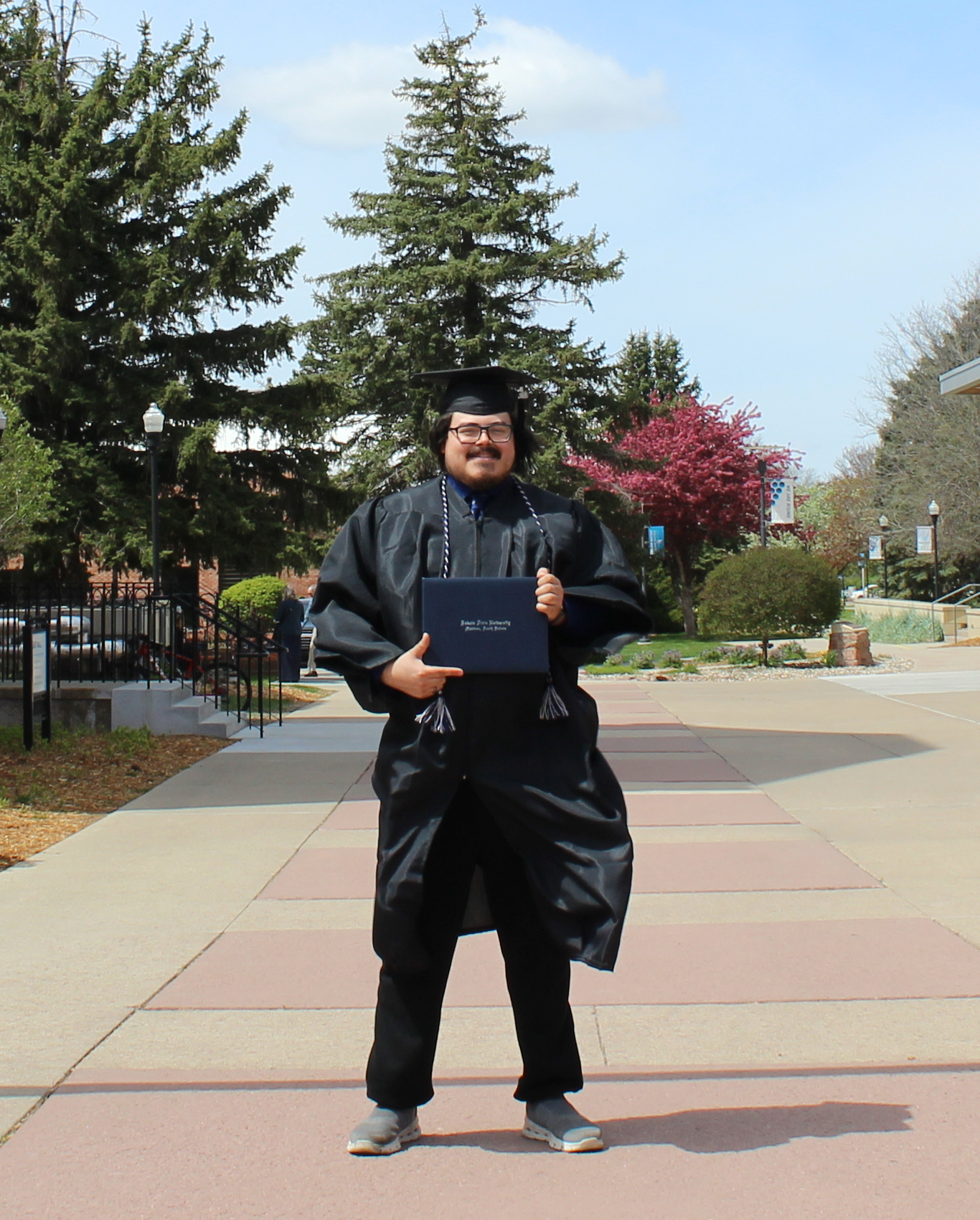
Phoenix Campbell
Currently looking for a job in my field, enjoys coding and workig on projects. Takes a little to learn something new but enjoys the steps it takes to get there.